
Safety first – that’s the grounding principle that underscores many of the processes in manufacturing. Companies spend tremendous time and resources each year to ensure that their workers are safe and that production goes off without a hitch. PPE, or Personal Protective Equipment, serves as the critical last line of defence between workers and the hazards that surround them daily.
As Thailand’s industrial sector continues its rapid growth, the importance of PPE has never been more crucial. And at EK Crane, our priority on safety and proper use of PPE means that our job sites are controlled, productive environments.
What is PPE in Manufacturing?
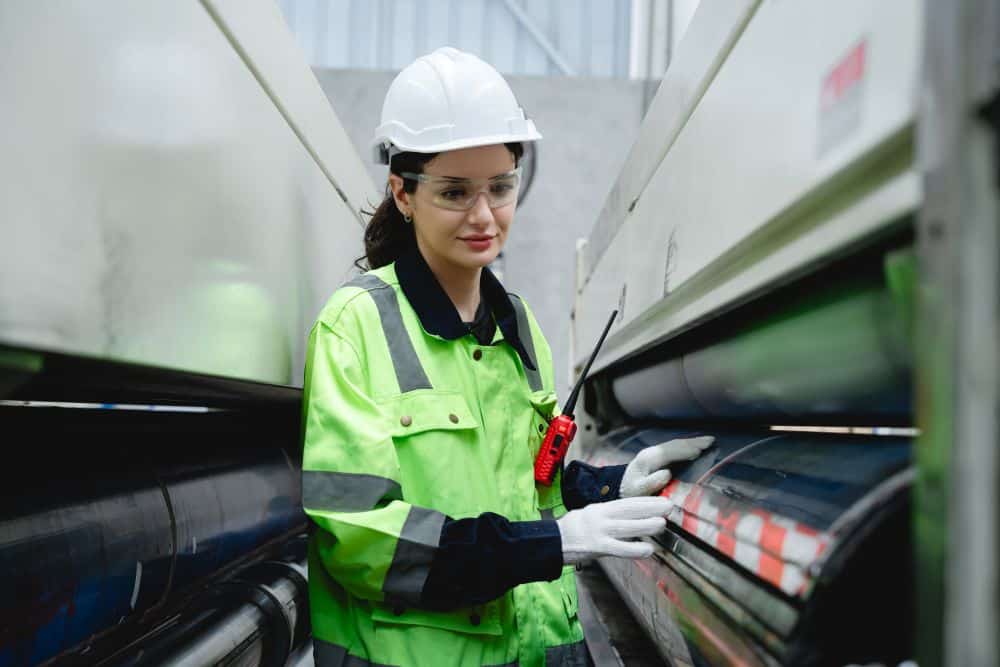
Personal Protective Equipment encompasses specialised gear designed to shield workers from the multitude of hazards present in modern manufacturing and heavy industry. PPE extends far beyond the iconic hard hat that’s become synonymous with construction sites. From head to toe, each piece serves a specific purpose: helmets protect against falling objects, safety glasses guard against flying debris, respirators filter harmful particles, gloves prevent chemical burns, steel-toed boots shield feet from crushing injuries, and full-body harnesses prevent fatal falls.
The Real Cost of Not Using PPE Equipment
Research consistently shows that workers who don’t wear appropriate PPE face significantly higher injury rates. For example, studies indicate that the vast majority of workers who sustain head injuries weren’t wearing hard hats. In other words, when PPE is worn correctly, injury rates drop dramatically.
A single serious workplace injury triggers cascading costs for companies, including medical expenses, lost productivity, compensation claims, and legal liabilities that can reach millions of baht. In contrast, required safety equipment costs a fraction of what companies spend on dealing with even minor incidents. But the human cost can be much higher, as permanent disabilities rob workers of their livelihoods.
Essential PPE for Manufacturing and Heavy Lifting Operations
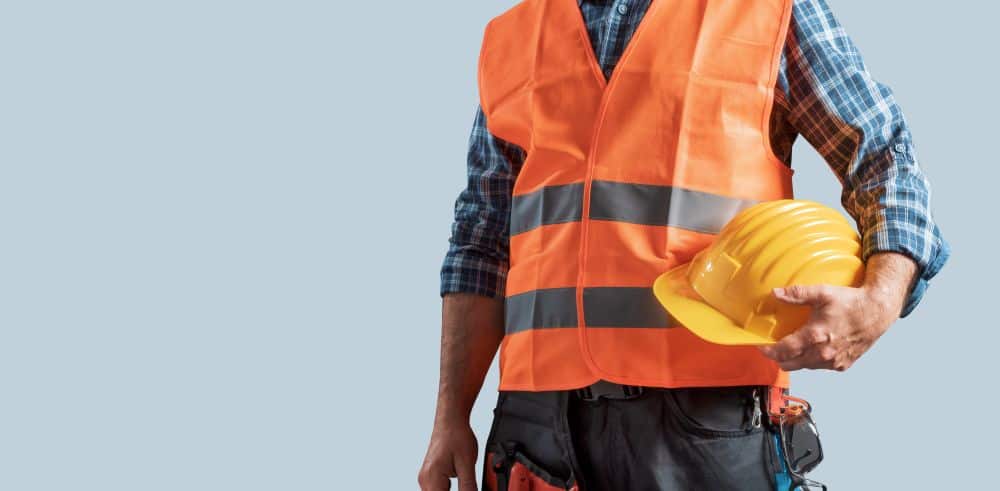
In crane operation zones, high-visibility clothing ensures operators can spot ground personnel even in challenging conditions. Combined with impact-rated hard hats and steel-toed boots, these basics form the foundation of site safety. In some cases, specialised operations require specialised protection.
Fall protection harnesses are critical for crane riggers working at elevation. These systems include shock-absorbing lanyards and positioning devices that prevent fatal falls. Signal persons directing crane movements require high-visibility vests with reflective striping and protective eyewear that doesn’t obstruct vision. Of course, it’s the integration of PPE with crane safety protocols that creates multiple protection layers. When equipment and procedures are harmonised, accident risk drops significantly.H2: Barriers to PPE Compliance and Solutions
Despite the risks, the reality is that workers skip PPE for predictable reasons: discomfort, lack of knowledge on proper use, or poor fit. Some view PPE as hindering productivity, not realising one accident destroys more productivity than a lifetime of compliance could cost. But making PPE part of standard procedures means integrating it into work planning
It’s then up to management to create a culture of safety through example – when supervisors wear PPE, workers follow. Further, proper training must also explain the “why” behind each piece of equipment. Workers will have an easier time factoring wearing PPE into their routine if they’re conscious of the reasons behind wearing it.
EK Crane’s Safety-First Approach
At EK Crane, our operators and riggers arrive equipped with industry-standard PPE that’s been selected, tested, and maintained to the highest standards. Every safety inspection includes a comprehensive PPE evaluation, identifying protection gaps and recommending project-specific solutions. Rest assured, hiring EK Crane comes with an unparalleled commitment to safety.
We’re partners on our clients’ safety journey, sharing best practices from decades of experience. Our teams demonstrate which PPE to wear on sites for safer, more efficient work environments. When you see our teams properly equipped and consistently following procedures, it sets a standard for safety compliance across the project.
Choosing a mobile crane rental provider in Thailand goes beyond specifications or pricing and should include evaluating a company’s adherence to the highest safety standards. For a guaranteed safety-first approach, contact us at EK Crane for comprehensive crane service. From PPE-equipped professionals to rigorous protocols, we ensure your project proceeds efficiently while protecting what matters most.
References:
- PPE for Factory Workers & Severe Work Accidents in the Manufacturing Industry. Retrieved on 16 December 2025 from https://www.kenallenlaw.com/2024/01/ppe-for-factory-workers-severe-work-accidents-in-manufacturing-industry/
