Why Using PPE is Important in Manufacturing

Safety first – that’s the grounding principle that underscores many of the processes in manufacturing. Companies spend tremendous time and resources each year to ensure that their workers are safe and that production goes off without a hitch. PPE, or Personal Protective Equipment, serves as the critical last line of defence between workers and the hazards that surround them daily. 

As Thailand’s industrial sector continues its rapid growth, the importance of PPE has never been more crucial. And at EK Crane, our priority on safety and proper use of PPE means that our job sites are controlled, productive environments.

What is PPE in Manufacturing?
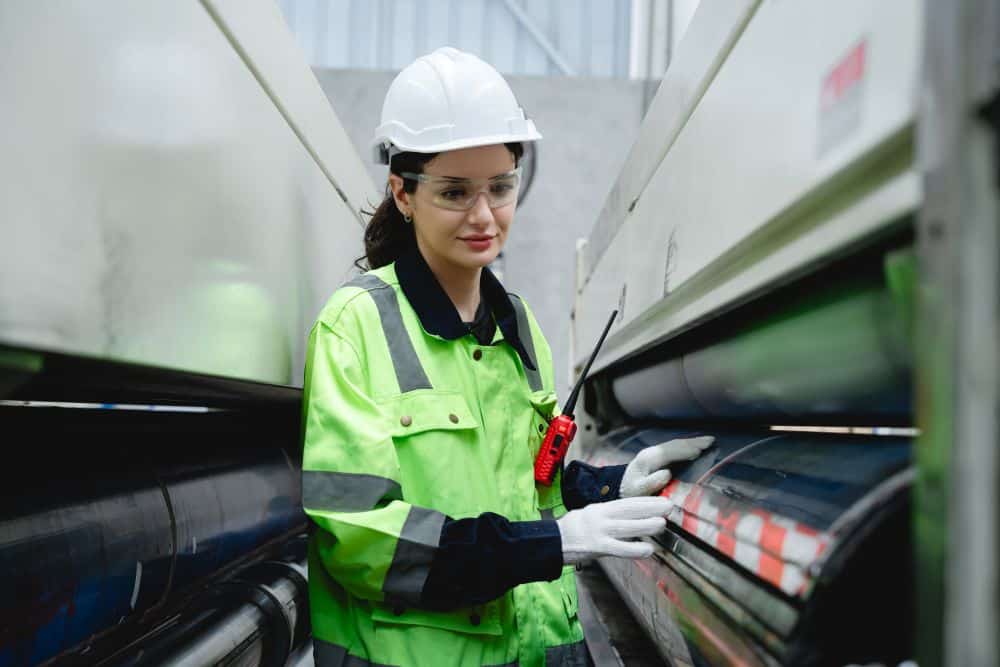
A female worker dressed in proper PPE inspects a system

Personal Protective Equipment encompasses specialised gear designed to shield workers from the multitude of hazards present in modern manufacturing and heavy industry. PPE extends far beyond the iconic hard hat that’s become synonymous with construction sites. From head to toe, each piece serves a specific purpose: helmets protect against falling objects, safety glasses guard against flying debris, respirators filter harmful particles, gloves prevent chemical burns, steel-toed boots shield feet from crushing injuries, and full-body harnesses prevent fatal falls.

The Real Cost of Not Using PPE Equipment

Research consistently shows that workers who don’t wear appropriate PPE face significantly higher injury rates. For example, studies indicate that the vast majority of workers who sustain head injuries weren’t wearing hard hats. In other words, when PPE is worn correctly, injury rates drop dramatically.

A single serious workplace injury triggers cascading costs for companies, including medical expenses, lost productivity, compensation claims, and legal liabilities that can reach millions of baht. In contrast, required safety equipment costs a fraction of what companies spend on dealing with even minor incidents. But the human cost can be much higher, as permanent disabilities rob workers of their livelihoods.

Essential PPE for Manufacturing and Heavy Lifting Operations

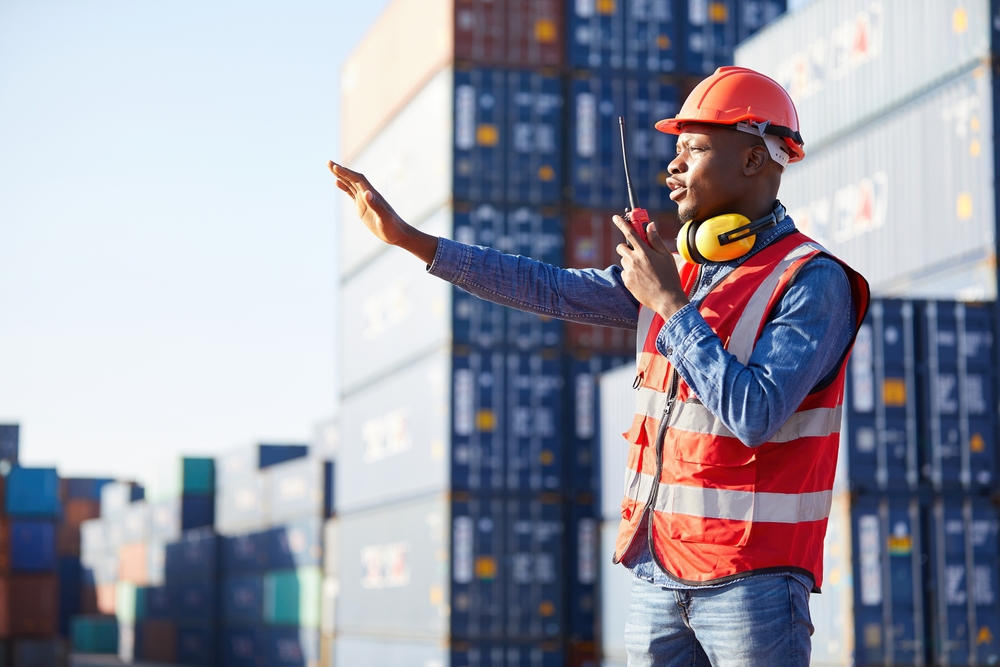
In crane operation zones, high-visibility clothing ensures operators can spot ground personnel even in challenging conditions. Combined with impact-rated hard hats and steel-toed boots, these basics form the foundation of site safety. In some cases, specialised operations require specialised protection.

Fall protection harnesses are critical for crane riggers working at elevation. These systems include shock-absorbing lanyards and positioning devices that prevent fatal falls. Signal persons directing crane movements require high-visibility vests with reflective striping and protective eyewear that doesn’t obstruct vision. Of course, it’s the integration of PPE with crane safety protocols that creates multiple protection layers. When equipment and procedures are harmonised, accident risk drops significantly.H2: Barriers to PPE Compliance and Solutions
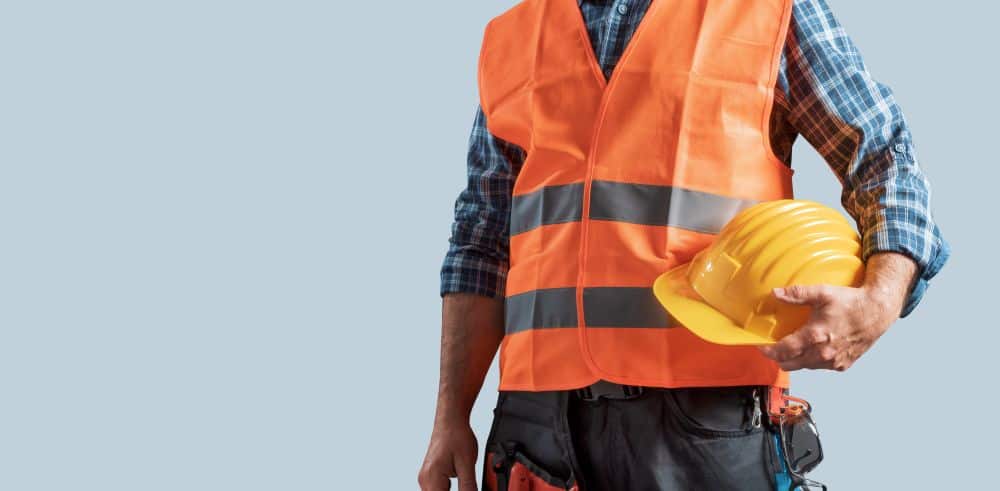
worker wearing reflective clothing holds his hard hat in his hands

Despite the risks, the reality is that workers skip PPE for predictable reasons: discomfort, lack of knowledge on proper use, or poor fit. Some view PPE as hindering productivity, not realising one accident destroys more productivity than a lifetime of compliance could cost. But making PPE part of standard procedures means integrating it into work planning

It’s then up to management to create a culture of safety through example – when supervisors wear PPE, workers follow. Further, proper training must also explain the “why” behind each piece of equipment. Workers will have an easier time factoring wearing PPE into their routine if they’re conscious of the reasons behind wearing it.

EK Crane’s Safety-First Approach

At EK Crane, our operators and riggers arrive equipped with industry-standard PPE that’s been selected, tested, and maintained to the highest standards. Every safety inspection includes a comprehensive PPE evaluation, identifying protection gaps and recommending project-specific solutions. Rest assured, hiring EK Crane comes with an unparalleled commitment to safety. 

We’re partners on our clients’ safety journey, sharing best practices from decades of experience. Our teams demonstrate which PPE to wear on sites for safer, more efficient work environments. When you see our teams properly equipped and consistently following procedures, it sets a standard for safety compliance across the project.

Choosing a mobile crane rental provider in Thailand goes beyond specifications or pricing and should include evaluating a company’s adherence to the highest safety standards. For a guaranteed safety-first approach, contact us at EK Crane for comprehensive crane service. From PPE-equipped professionals to rigorous protocols, we ensure your project proceeds efficiently while protecting what matters most.

References: ​​

  1. PPE for Factory Workers & Severe Work Accidents in the Manufacturing Industry. Retrieved on 16 December 2025 from https://www.kenallenlaw.com/2024/01/ppe-for-factory-workers-severe-work-accidents-in-manufacturing-industry/
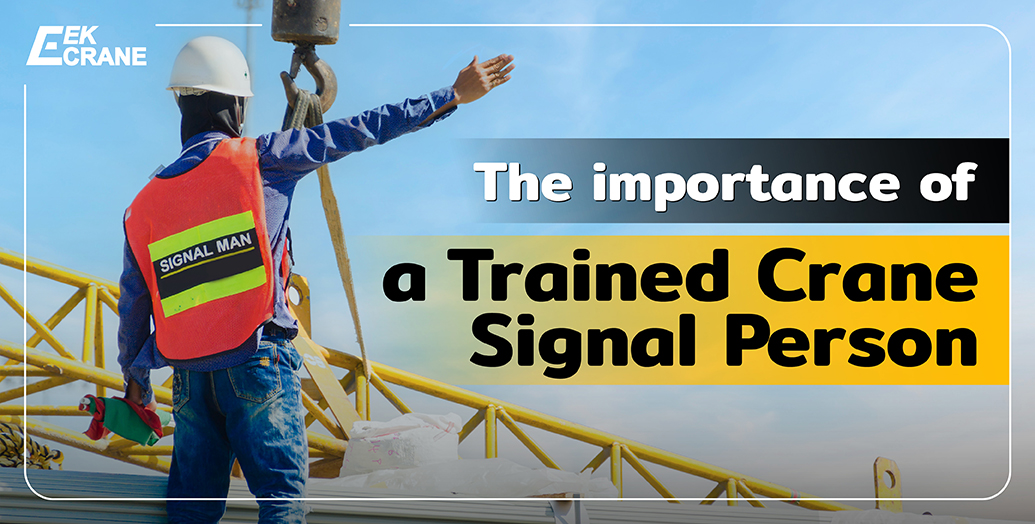
The importance of a Trained Crane Signal Person

The importance of a trained crane signal person
crane-signal-person

Importance of a Crane Signal Person

During the operation of a crane, the crane needs more than just a crane operator. While the crane operator holds most of the responsibility for the control of machinery, the other person that is also vital in a crane operation is a crane signal person.

In this article, we will dive through the various questions regarding a crane signal person. Does crane signal person necessary for the crane operation? What are their responsibilities? We have all the answers.

What is a Crane Signal Person?

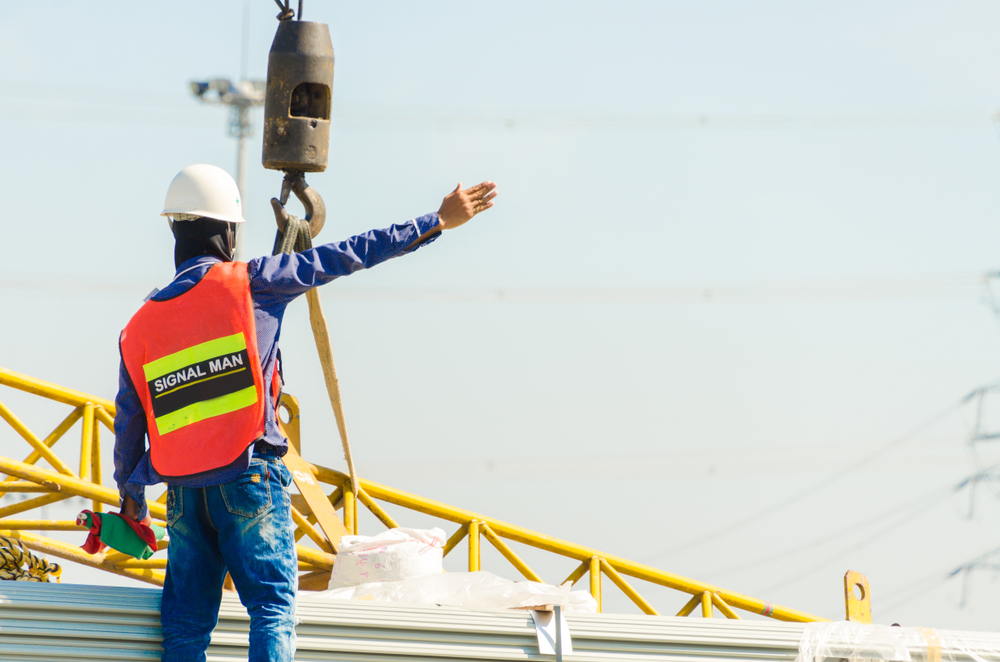
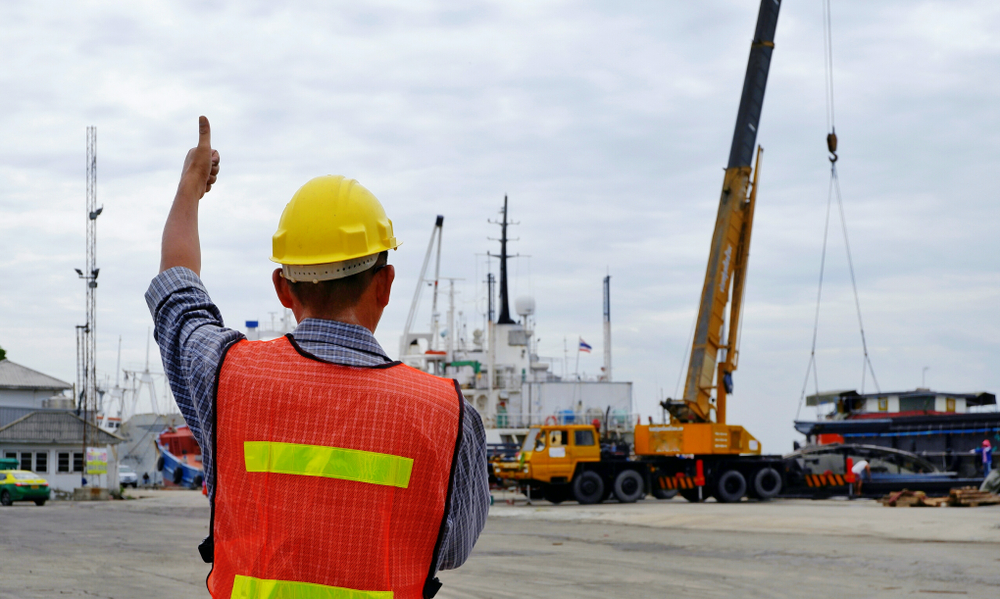
A crane signal person is a trained professional responsible for communicating with the crane operator through standardized crane hand signals or audio signals via radio and other devices. Signal person guides the movement of the crane, including operating the boom, lifting and lowering loads, stopping the operation, and repositioning the crane as needed. They has to quickly assess the situation in case of emergency.

By communicating directions accurately, a skilled crane signal person significantly enhances both the safety and efficiency of crane operations, helping to prevent accidents and ensuring that tasks are completed successfully.

In addition to their communication responsibilities, the crane signal person also plays a crucial role in coordinating with other crews on-site including the crane operator, crane rigger, lift director and more. 

What is a Crane Signal Person Responsibility?

signal-person-responsibility

A crane signal person holds many responsibilities, ensuring the accurate communication and safety for the operation.

  • While the crane operator can see the surrounding by themselves through the cab, a signal person often has clearer point of view from outside the crane, making them assessing the environment better
  • Understanding every signal related to a crane operation, Whether it is hand signal, voice command or radio signal.
  • Interpreting and relaying the signals to the crane operator accurately throughout the operation
  • Ensuring the safety during the lifting operation by monitoring the surrounding
  • Communicating with ground personnel and ensure that everyone is in a safe distance from a crane
  • Inspecting the surrounding for the obstacles and guiding the crane operator to avoid them
  • Remaining alert at all time and be prepared to relay halt or stop signal to avoid safety risk
  • Always stays updated with safety regulation and other information related to operating a crane
  • In the case of multiple crans are operating at the same time, a signal person play a key role to prevent conflict between each machinery

Is a Trained Crane Signal Person Important?

Does every construction site need a crane signal person? The answer is yes. The importance of their role cannot be overlooked. The signal person has a broader view of the surroundings and they can assess the situation and relay the signals accurately. Their responsibility helps prevent accidents, reduces the risk of property damage and ensures the safety of the workers while the crane operators carry out the task with full potential, increasing the efficiency of the operation.

Additionally, crane signal person has to keep up with the regulation and safety standard, which could further improve the safety and operation process. 

Apart from crane signal person, there are other duties that are vital in crane operation. For example,

  • Crane supervisor or site supervisor – Their responsibility is to oversee all of the operation including, planning, safety inspection, training the workers, and much more, to ensure that the operation goes smoothly and within the timeline.
  • Crane rigger – They attached the load to a crane, secured it and make sure that the transportation goes along the plan and safe
  • Lift director – They oversee the lifting operation and ensure every crew safety. They also inspected the area preparation before the crane operation started.
  • Crane operator – Operating a crane is their main duty, They must be aware of the surrounding with the help of signal person while operating a crane to lift and move materials around

Safety Tips

Other than having a crane signal person on the site, there are also tips that could improve safety further.

  • Trained all workers on the site, make sure that they understand all the regulations and duties
  • All workers should be alert and aware of their surrounding and operation
  • The working area should have no obstacle or as less as possible
  • All cranes in the operation should be inspected before the operation
  • Choose the right crane for the weight of materials, overloading a crane could lead to danger

Renting a Crane with Trained Crane Signal Person

crane-signal-person-importance

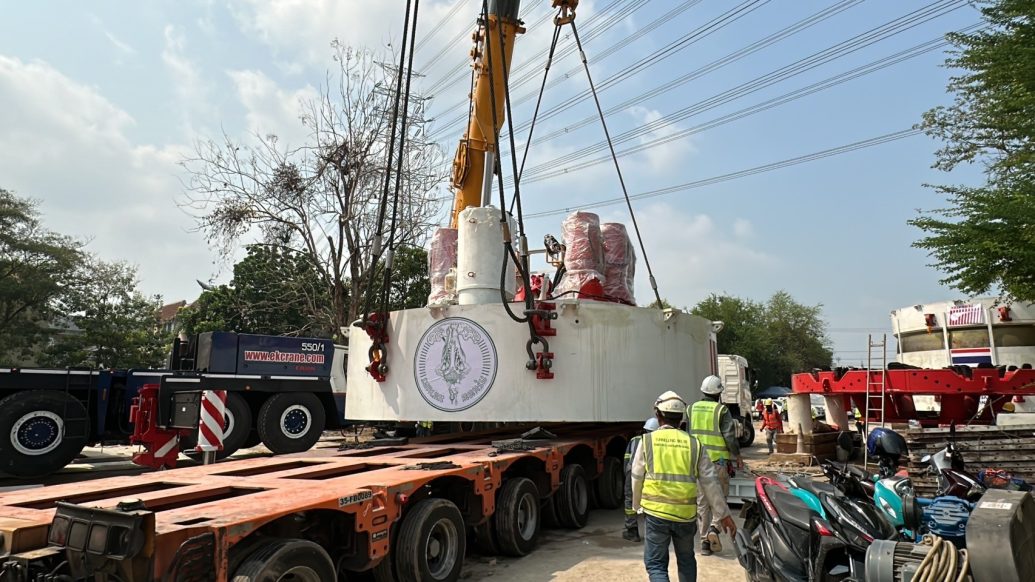
EK Crane offers crane renting service with a full team of professionals, including trained crane signal person with experience. Our service includes site survey, operation planning, and operating cranes for your construction project.Ensuring every step is carried out with the utmost care and precision

Whether you need a short-term or long-term contract, we offer both daily rental and monthly rental with all the personnels you will need. Our service focuses on mobile cranes. We have rough terrain cranes, all-terrain cranes, truck cranes and more with various sizes of cranes.

If you are interested in our service, contact LINE: @EKCRANE or the contact information below for the branch closest to your area. We offer service in every area of Thailand.

Our Branch

Bangkok-Samutprakarn Head Office

Tel. +66 2 745 9999

Location: https://maps.app.goo.gl/89scfU8K4VTUfY4W9

Rayong Head Office

Tel. +66 38 682 666

Location https://maps.app.goo.gl/CZw1JGRLGxBmfWDo9

Leam Chabang Sub-Branch

Tel. +66 38 482 666

Location https://maps.app.goo.gl/9qNV26o8LSLBSoN27

Summary of Crane Signal Person

Crane signal person is one of the vital parts of the crane operation. Their accurate communication through every type of signal whether it is hand signal or voice signal, has a great impact on the success of the operation.

The signal person is not only responsible for communicating with the crane operator, but they also helps coordinate the crew to ensure safety of the operation.The crane signal person is a crucial part that cannot be left out of the operation. 

Additionally to having a signal person on site, every workers should be trained to know the meaning of the signals to ensure safety and smooth operation

เราให้ทีมเซลล์ติดต่อกลับหาคุณได้
ใส่เบอร์โทรด้านล่างได้เลย

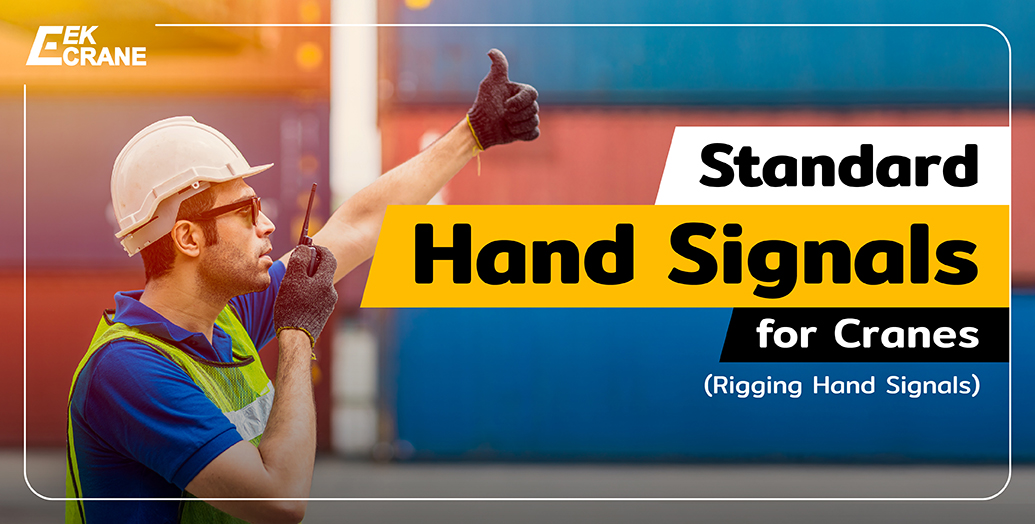
Standard Hand Signals for Cranes (Rigging Hand Signals)

Standard Hand Signals for Cranes (Rigging Hand Signals)
crane-hand-signals

Crane Hand Signals Introduction for Safety

Crane is an important machinery used in construction sites, lifting and moving material around. However, to operate a crane requires not only driving skill, but knowing crane hand signals is also vital for safety.

In this article, we will explain each crane signals both the meaning and how to do the signals.

What is Crane Hand Signal?

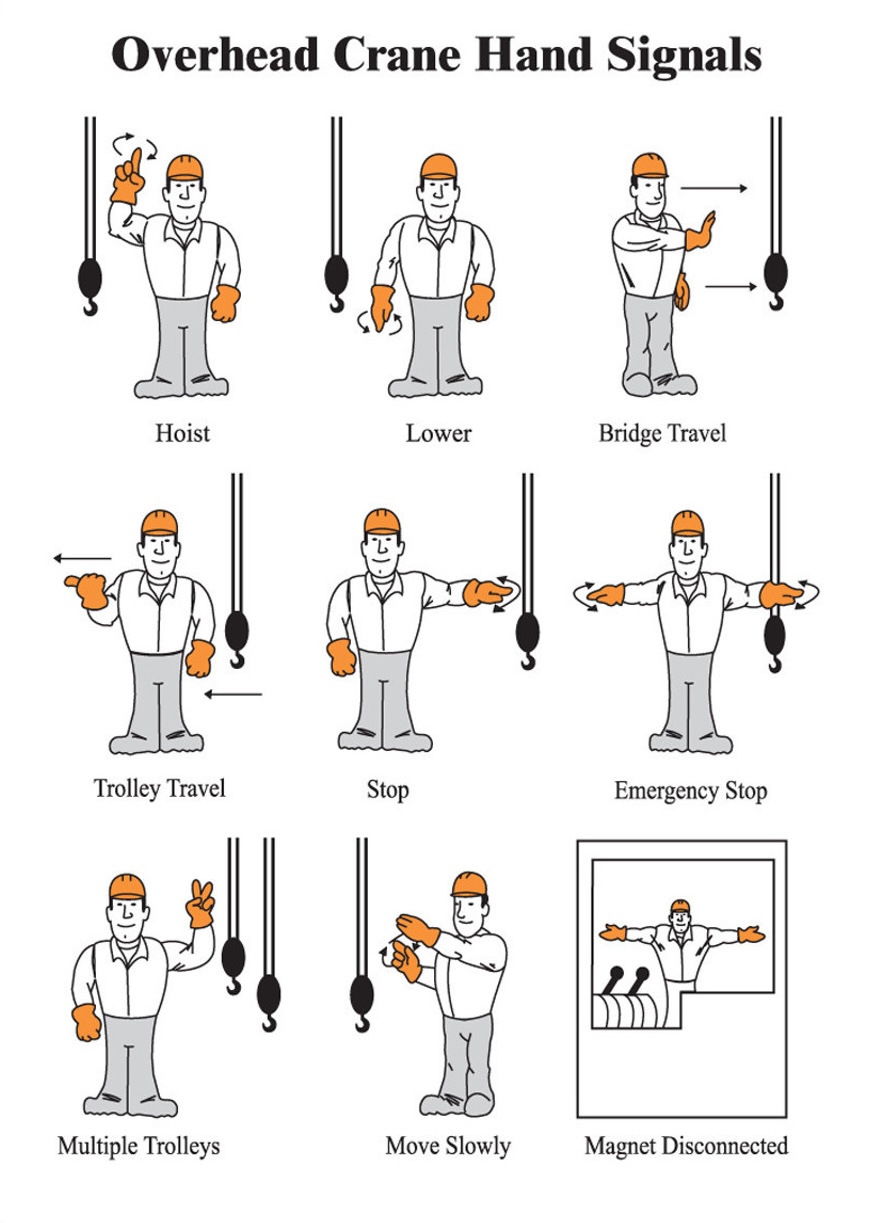
Crane hand signal or rigging hand signal is a universal signal using arm and hand to communicate between crane operator and crane signal person. The crane signals can be used even if they are further away from each other and require a little time for each signal, which makes it more efficient than communicating with words. 

There are 3 main types of crane hand signal, boom signal, stop signals, and movement signals. Every signal can be operated with only one single person, using hands or arms.

Why is Crane Hand Signal Important?

rigging-hand-signals
  • Crane hand signal is reliable and universally understand by everyone in the operation of crane
  • It use less time than communicate through radio or other voice-transmitting device
  • It can be seen from a considerable distance
  • The signal can improve safety significantly and it is not encouraged to operate a crane without a crane signal person. The crane operator could have blind spot when driving a crane, which could lead to danger.
  • Crane operator signal reduce chance of miscommunication through audio, which can be caused by transmitting device
  • Rigging hand signal help the crane operation to run smoother and more efficiently.
  • It is standard safety protocol.

Boom Signals

crane-boom-signals

Boom signals are a type of crane hand signals that are used in operating a boom. A boom is a main component of a crane that is used to lift and move the object or material in a construction site.

1. Raise Boom

Extend an arm outward to the side and point the thumb upward. Other fingers are closed into a fist

2. Lower Boom

Similarly to raise boom signal, extend an arm outward but point the thumb down instead.

3. Swing

Extend an arm outward and point to the direction that a crane should swing to with an index finger.

4. Use main hoist

Tap a fist on the head.

5. Use whipline

Extend a forearm vertically and tap on the elbow.

6. Hoist Lower load

Extend an arm downward and point the forefinger down. Make a small circular clockwise motion with the hand.

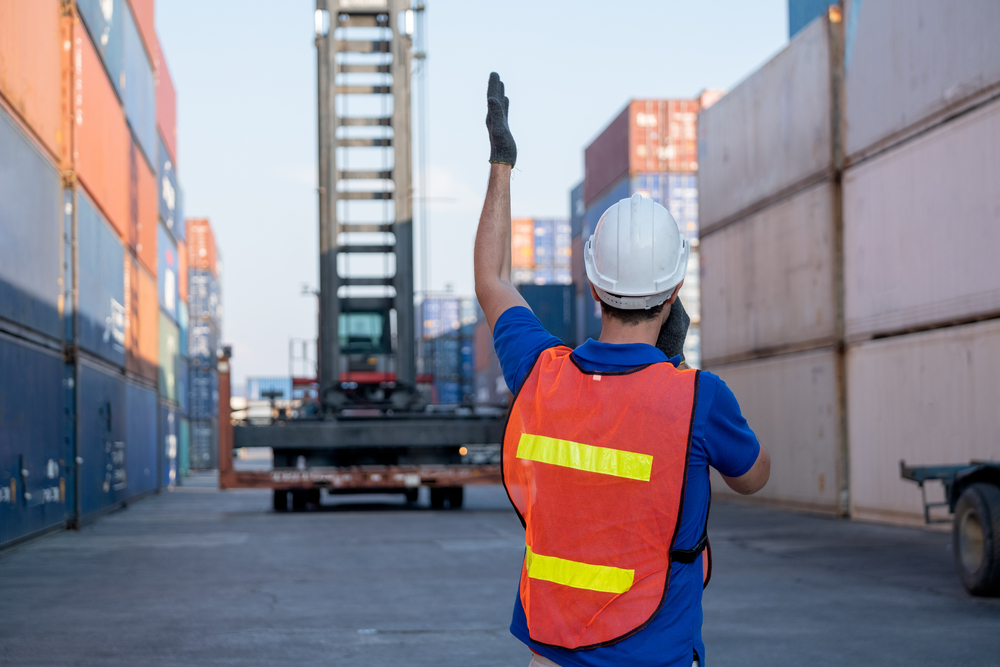
7. Hoist load

Extend an arm upward so the forearm is vertical. Point a finger upward then move the hand in a small horizontal circular motion,preferably clockwise.

8. Raise boom and lower load

Extend an arm outward and point the thumb upward. Close and open other fingers continually  to signal lower load until the operation is finished.

9. Lower boom and raise load

Extend an arm outward and point the thumb downward. Close and open other fingers continually to signal raise load until the operation is finished.

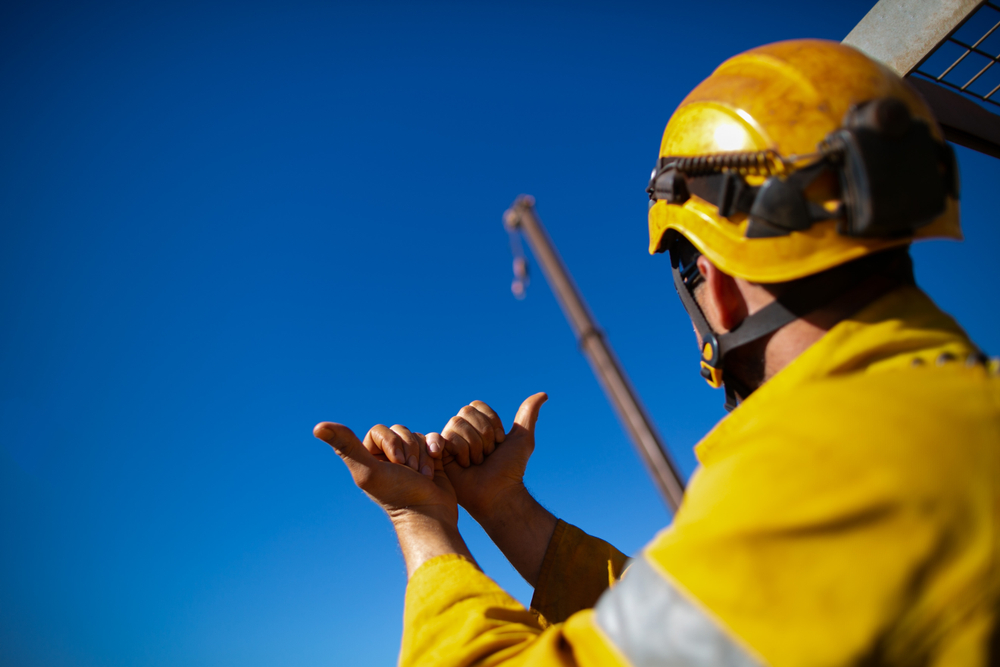
10. Extend Telescopic

Place both fists at the waist level and point both thumbs outward.

11. Retract Telescopic

Place both fists at the waist level and point both thumbs inward.

12. Move Slowly

Use any of the boom signals and place the other hand in front of the hand doing the boom signals. This signal means to operate slower for any action.

Stop Signals

Stop signals are vital crane hand signals for stopping the crane operation. It is important for the crane operator to understand this signal immediately to be able to pause all of the operation for safety.

1. Stop

Extend the arm to the side with the palm down. Swing horizontally to the chest and back to the side again.

2. Emergency Stop

Similarly to the stop signal but use both arms instead. Swing both arms, hands down horizontally back and forth between the side and the chest.

3. Dog Everything

The difference between stop and dog everything is while stop could mean that stop and the crane operation is done, dog everything is a brief pause, resembling a time-out before continuing the operation. The crane hand signal for dog everything is to clasp both hands and hold them in front of the center of your body.

Movement Signals

crane-movement-signals

Movement signals are crane hand signals that are used for moving a crane. Driving a crane also requires a signal as most cranes are quite huge, having a spotter to tell the direction is safer.

1. Travel

Extend the hand in front of the body in pushing motion. Straighten all fingers upward. 

2. Crawler Crane Travel (One Track)

Raise a fist to indicate which track to lock. Ball the other hand to a fist and place it in front of your body, rotate in vertical circular motion to tell the direction to move.

3. Crawler Crane Travel (Both Tracks)

Ball both hands into fists in front of your body and rotate them vertically. Rotating toward the body means moving forward, while rotating outward means moving backward.

4. Trolley Travel

Place the fist upward and use the thumb to point the direction that the crane should be moving to.

Summary of Crane Hand Signals

Crane hand signals are essential for ensuring safety in construction sites where miscommunication could lead to grave danger. The signals could be use as a substitution for audio communication and considered to be more efficient, reducing the risk of issue form communication devices.

Thus, every crane operator should understand all of the crane signals. If you are looking to rent a construction crane, consider hiring a rental company that offers a full professional team for efficiency and safety. EK Crane is a crane rental service with a full operation team, including crane operator and crane signal person. Our personnels are trained and full of experience.

EK Crane offers crane rental service for all over Thailand. Contact @EKCRANE for more information.

Our Branch

Bangkok-Samutprakarn Head Office

Tel. +66 2 745 9999

Location: https://maps.app.goo.gl/89scfU8K4VTUfY4W9

Rayong Head Office

Tel. +66 38 682 666

Location https://maps.app.goo.gl/CZw1JGRLGxBmfWDo9

Leam Chabang Sub-Branch

Tel. +66 38 482 666

Location https://maps.app.goo.gl/9qNV26o8LSLBSoN27

เราให้ทีมเซลล์ติดต่อกลับหาคุณได้
ใส่เบอร์โทรด้านล่างได้เลย